
 By Admin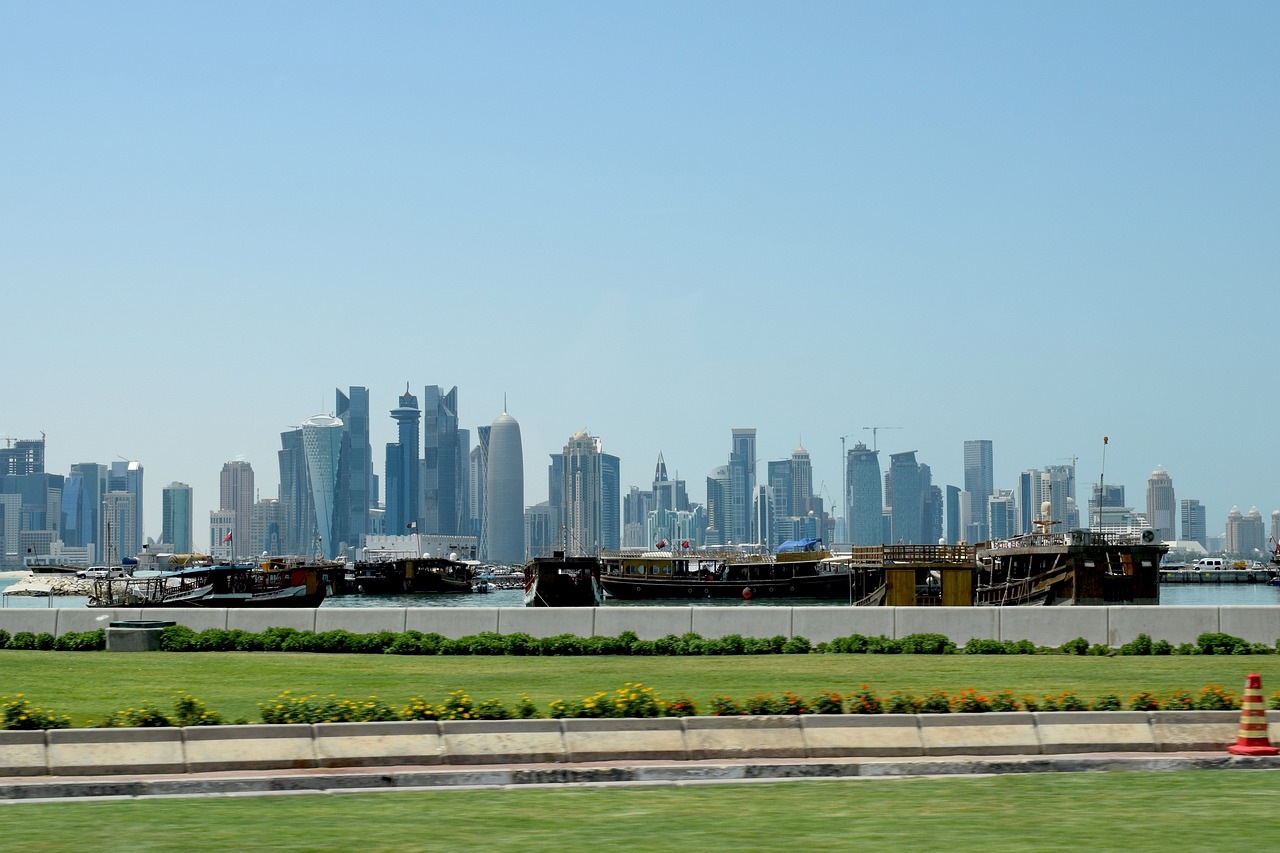
Sustainability in the Gulf: Challenges and Opportunities
Sustainability in the Gulf, which includes the GCC, has become a pressing issue due to rapid economic growth and burgeoning populations in recent decades. The region’s reliance on fossil fuels, coupled with increasing water scarcity and environmental challenges, necessitates a drastic shift towards sustainable practices.
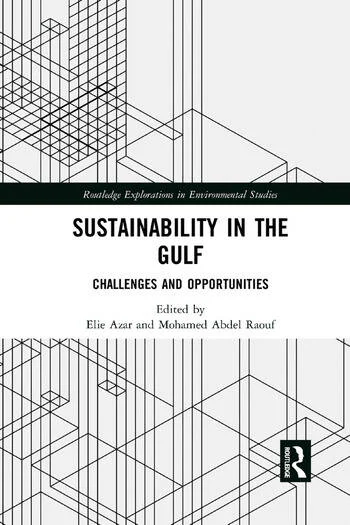
A book on the topic of Sustainability in the Gulf
The book, Sustainability in the Gulf: Challenges and Opportunities, edited by Elie Azar and Mohamed Abdel Raouf, provides an in-depth analysis of the region’s contemporary development challenges through the lens of the UN’s Sustainable Development Goals (SDGs). The book places sustainability at the center of the solution to the current environmental, economic, and social imbalances facing GCC countries. It presents multiple analyses of Gulf-specific sustainability topics, examining the current status, challenges, and opportunities, as well as identifying key lessons learned.
The book covers a wide range of topics, including:
- Sustainability issues in GCC
- The Gulf’s Region Commitment to a Sustainable Lifestyle: A Bibliometric Study
- Water Resources Sustainability in Kuwait against United Nations Sustainable Development Goals
- Towards Safe and Sustainable Reuse of Treated Wastewater in Abu Dhabi, UAE
- Implementation of the Sustainable Development Goals in GCC countries via application of sustainability-oriented innovation to critical infrastructures
- Towards Sustainable Urban Development: Challenges and Chances of Climate-Sensitive Urban Design in Muscat/Oman
- The Future of Sustainable Public Transit in Abu Dhabi
- Advancing Sustainable Consumption: Energy Efficiency Labels and Standards in the UAE
- Sustainability Assessment for Real Estate in UAE: The case of Masdar City
- Energy Consumption and Transition Dynamics under a Rentier Economy: Case of the GCC States
- Economic value of the Abu Dhabi coastal and marine ecosystem services: Estimate and Management Applications
- Economic and GHG Emission Policy Co-benefits for Integrated Waste Management Planning across the GCC
- Motivating Sustainable Consumption Behavior Through Education, Incentive Programs, and Green Policies in Saudi Arabia
- Outlook towards the future of sustainability in the Gulf
This volume offers valuable insights into current research efforts made by the GCC states, proposing a way forward based on lessons learned. It provides innovative and practical policy recommendations, as well as new conceptual angles to the evolving academic debates on the post-oil era in the Gulf.
Conclusion
In conclusion, the book, Sustainability in the Gulf is a comprehensive resource for understanding the sustainability challenges and opportunities in the GCC countries. It emphasizes the importance of adopting sustainable development strategies to address the environmental, economic, and social imbalances in the region. By focusing on the specific needs and circumstances of Qatar, UAE, Oman, Kuwait, Bahrain, and Saudi Arabia, the book provides a roadmap for achieving a sustainable future in the Gulf.