
 By Admin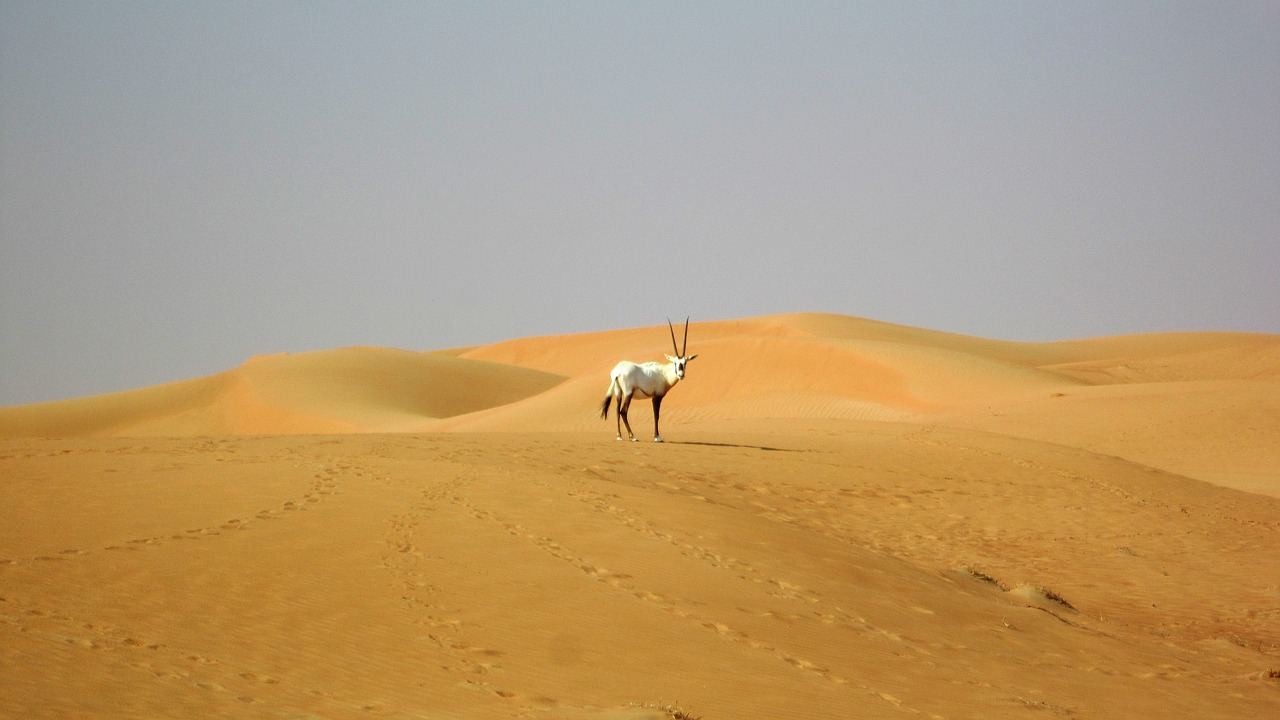
Biodiversity of the GCC: A Strategic Imperative for Businesses
Introduction
The biodiversity of the GCC—the rich variety of life across deserts, coasts, and marine ecosystems—is a cornerstone of ecological and economic resilience. For businesses in the region, understanding and protecting this biodiversity is no longer optional. It is a strategic priority aligned with global sustainability goals and the GCC’s Vision 2030 agendas.
What is Biodiversity?
Biodiversity refers to the diversity of plant and animal species, their genetic variations, and the ecosystems they form. In the GCC, this includes mangroves, coral reefs, desert flora, and migratory bird pathways. The biodiversity of the GCC is uniquely adapted to arid climates, making it both fragile and invaluable.
Why Businesses Should Care About Biodiversity?
Biodiversity supports food security, tourism, and natural resources like fisheries. Healthy ecosystems regulate air quality, prevent soil erosion, and sustain water cycles. For businesses, biodiversity loss pose risks such as disruption in supply chains, reputational damage, and regulatory penalties. Thus protecting the biodiversity ensures long-term availability of natural resources and aligns with ESG (Environmental, Social, Governance) commitments.
How Businesses Can Contribute to Biodiversity Conservation?
Businesses can integrate biodiversity into operations by:
- Conducting environmental impact assessments for projects.
- Adopting sustainable sourcing (e.g., avoiding overharvesting marine species).
- Investing in habitat restoration, such as mangrove replanting.
- Partnering with NGOs and local communities to protect endangered species.
- Adopting Nature-Based Solutions (NBS) to remedy the negative impacts of business activities
- Disclosing information on impacts, risks and opportunities related to biodiversity
- Adopting the planetary boundaries approach to keep negative impacts of business activities below safe thresholds
Regulatory Reporting on Biodiversity
Biodiversity regulations are evolving around the globe and GCC governments are also tightening biodiversity regulations to protect the biodiversity of the GCC. Saudi Arabia’s National Environment Strategy and the UAE’s Green Agenda 2030 mandate biodiversity impact disclosures. Companies must now align with global reporting frameworks such as the Taskforce on Nature-related Financial Disclosures (TNFD), Global Reporting Initiative (GRI), and European Sustainability Reporting Standards (ESRS) to ensure compliance and transparency.
In this section, a brief review of biodiversity regulation is presented:
TNFD
Launched in 2021, TNFD provides a market-driven framework for assessing nature-related risks and opportunities. Its 14 disclosure recommendations, structured around governance, strategy, risk management, and metrics, align with Target 15 of the Kunming-Montreal Global Biodiversity Framework (GBF), which calls for transparent corporate disclosures on biodiversity impacts . Over 500 companies globally, including GCC firms, have committed to TNFD-aligned reporting.
GRI
The GRI Standards, particularly GRI 101: Biodiversity 2024, set a global benchmark for biodiversity reporting. Updated in collaboration with TNFD, GRI 101 requires location-specific disclosures, supply chain transparency, and alignment with the five drivers of biodiversity loss (e.g., land use, pollution) defined by the Intergovernmental Science-Policy Platform on Biodiversity and Ecosystem Services (IPBES) . GRI’s interoperability mapping with TNFD simplifies dual reporting, reducing redundancy for businesses.
ESRS
Under the EU’s Corporate Sustainability Reporting Directive (CSRD), ESRS mandates double materiality assessments (financial and impact-related) for EU and non-EU firms operating in the bloc. ESRS E4 specifically addresses biodiversity, requiring companies to disclose impacts on ecosystems and dependencies on natural resources. TNFD’s LEAP approach (Locate, Evaluate, Assess, Prepare) is referenced in ESRS, helping businesses identify risks across their value chains.
These frameworks collectively push businesses to:
- Disclose geographic proximity to ecologically sensitive areas.
- Engage Indigenous Peoples and local communities in conservation efforts.
- Set science-based targets for habitat restoration.
The TNFD and GRI frameworks are increasingly harmonized. For example, GRI 101 incorporates TNFD’s definitions of ecologically sensitive areas and aligns with its LEAP assessment methodology, which guides businesses in identifying nature-related dependencies and impacts . Similarly, TNFD’s sector-specific metrics overlap with GRI’s sector standards, enabling cohesive reporting .
ESRS, meanwhile, complements TNFD by mandating granular disclosures on biodiversity impacts within the EU market. Companies in the GCC exporting to Europe must align with ESRS E4, which requires:
- Detailed value chain assessments.
- Disclosure of direct drivers of biodiversity loss (e.g., overfishing in Gulf waters).
- Engagement with stakeholders, including Indigenous groups .
For GCC businesses, adopting these frameworks not only ensures compliance but also positions them as sustainability leaders in a region where the biodiversity of the GCC is central to economic diversification plans.
Overview of the Biodiversity of the GCC
The Gulf Cooperation Council (GCC) region, encompassing Qatar, UAE, Saudi Arabia, Kuwait, Bahrain, and Oman, boasts a distinctive array of biodiversity adapted to its harsh desert climate and arid landscapes. The biodiversity of the GCC includes over 500 plant species in Oman’s Dhofar Mountains, Qatar’s dugong populations, and Kuwait’s marine biodiversity. However, urbanization, climate change, and pollution threaten these ecosystems. Regional collaboration, such as the GCC Wildlife Conservation Initiative, highlights the urgency of collective action.
Qatar
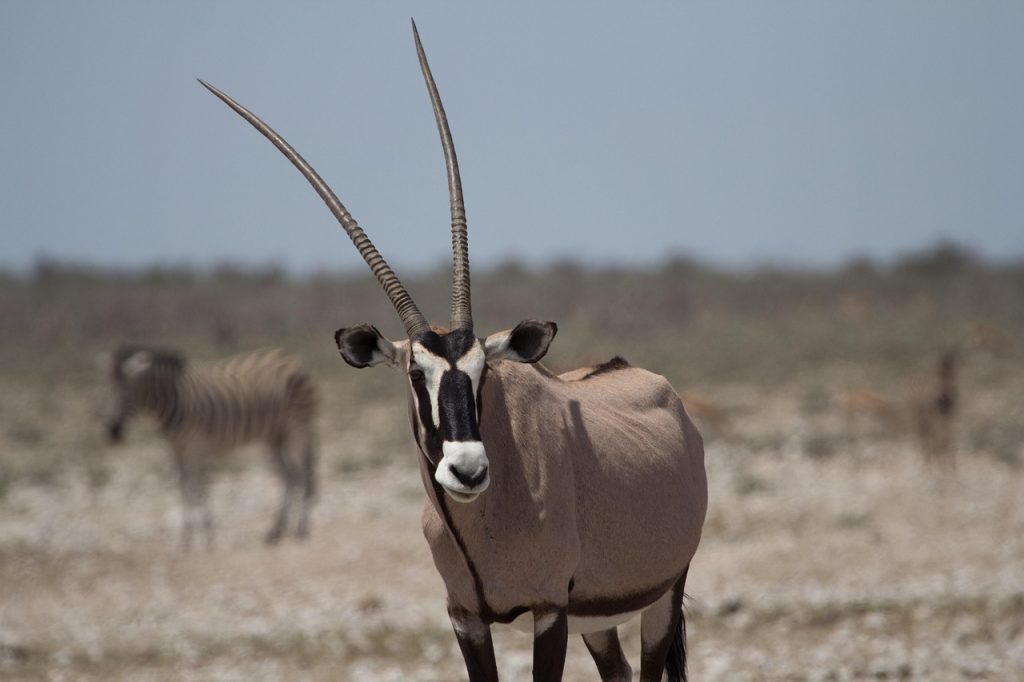
In Qatar, the native flora includes the Ghaf tree (Prosopis cineraria) and the Sidr tree (Ziziphus spina-christi), both resilient to extreme temperatures. Among fauna, the Arabian Oryx (Oryx leucoryx), a symbol of Qatar’s wildlife conservation efforts, and the Spiny-tailed lizard (Uromastyx aegyptia) stand out.
UAE
The United Arab Emirates hosts diverse ecosystems, from coastal areas to mountainous regions. The Al Ain region is known for the date palm (Phoenix dactylifera), crucial to the local economy. Prominent fauna includes the Arabian Tahr (Arabitragus jayakari) and the Sand Gazelle (Gazella marica). The UAE also actively participates in protecting the critically endangered Hawksbill turtle (Eretmochelys imbricata) along its coastlines.
Saudi Arabia
Saudi Arabia’s varied terrain supports unique species. In the Asir mountains, the Juniper tree (Juniperus procera) thrives, providing shelter to the Arabian Leopard (Panthera pardus nimr), a critically endangered subspecies. The Empty Quarter (Rub’ al Khali) is home to the Arabian Camel (Camelus dromedarius), perfectly adapted to desert life.
Kuwait
Kuwait’s biodiversity is influenced by its coastal and desert environments. The Haloxylon (Haloxylon salicornicum) is a prominent desert shrub, while the Persian Gulf’s marine life includes the Dugong (Dugong dugon). The Kuwait Zoo also plays a pivotal role in wildlife conservation, housing species like the Arabian Red Fox (Vulpes vulpes arabica).
Bahrain
Bahrain’s rich marine biodiversity includes the iconic Pearl Oyster (Pinctada radiata) and the Dugong. The island’s desert flora features the Tamarisk tree (Tamarix aphylla) and various Acacia species. The Arabian Partridge (Alectoris melanocephala) is a notable bird species in Bahrain.
Oman
Oman’s diverse habitats range from deserts to lush wadis and coastal areas. The Boswellia sacra (frankincense tree) is of significant cultural and economic importance. Among fauna, the Arabian Oryx and the Arabian Leopard are notable. Oman’s Ras Al Jinz beach is a crucial nesting site for the Green Turtle (Chelonia mydas).
In sum, the GCC countries harbor an impressive array of flora and fauna, each uniquely adapted to their environments and benefiting from ongoing conservation efforts.
Impact of Businesses on Biodiversity in the GCC
The biodiversity in the Gulf Cooperation Council (GCC) region is significantly impacted by several key industries. The oil and gas industry is one of the most prominent, leading to habitat destruction, pollution, and climate change. The construction and urban development sector also contributes to habitat loss and fragmentation, as natural areas are converted into urban spaces. Additionally, agriculture and overfishing are major factors, with intensive farming practices depleting water resources and overfishing disrupting marine ecosystems.
Negative Consequences of Biodiversity Loss in the GCC
The loss of biodiversity in the GCC has several negative consequences:
- Ecosystem Services Disruption: Biodiversity loss disrupts ecosystem services such as air and water purification, soil fertility, and pollination, which are essential for human survival and well-being.
- Climate Change Exacerbation: Healthy ecosystems play a crucial role in carbon sequestration and climate regulation. Their degradation can accelerate climate change, leading to more extreme weather conditions.
- Economic Impact: Many industries, including tourism and fisheries, rely on healthy ecosystems. Biodiversity loss can lead to reduced fish stocks and degraded landscapes, impacting these industries and local economies.
- Food Security Threats: The loss of biodiversity can affect food production by reducing the availability of pollinators and natural pest control, leading to decreased agricultural yields.
- Health Risks: Reduced biodiversity can increase the prevalence of certain diseases, as ecosystems play a role in regulating disease vectors and pathogens.
Addressing these challenges requires concerted efforts from governments, industries, and communities to promote sustainable practices and conservation initiatives.
Best Practices of Biodiversity Initiatives in the GCC
The following projects demonstrate how public-private partnerships can amplify the biodiversity of the GCC:
- Saudi Green Initiative: Aims to plant 10 billion trees, restoring degraded habitats.
- Abu Dhabi’s Mangrove Conservation: Protects 70% of the UAE’s mangrove forests, boosting carbon sequestration.
- Oman’s Turtle Reserves: Sustainable tourism projects preserve nesting sites for endangered sea turtles.
The Way Forward for Biodiversity in the GCC
Businesses must adopt science-based biodiversity targets and leverage technologies like AI for ecosystem monitoring. Embedding biodiversity into corporate strategies—from renewable energy projects to waste reduction—will drive regional sustainability. Governments and firms should also expand cross-border conservation programmes to protect migratory species.
Key steps include:
- Aligning with TNFD, GRI, and ESRS to streamline reporting.
- Leveraging the TNFD-GRI interoperability mapping to avoid duplication .
- Integrating biodiversity metrics into ESG frameworks to attract green investments.
Conclusion
The biodiversity of the GCC is a shared asset requiring urgent stewardship. For businesses, investing in conservation is a strategic advantage, ensuring regulatory compliance, resource security, and brand equity. By prioritising biodiversity, GCC industries can lead global sustainability efforts while safeguarding the region’s natural heritage.
Sources:
[1] Biodiverity
[3] Biodiversity Statistics in the GCC Countries
[4] GCC States’ Initial Steps to Combat Desertification
[6] UAE’s Ministry of Climate Change and Environment: Biodiveristy
[7] Conservation initiatives enrich Saudi Arabia’s unique biodiversity
[8] The Taskforce on Nature-related Financial Disclosures (TNFD)
[9] GRI: Topic Standard for Biodiversity
[10] ESRS E4: Biodiversity and Ecosystems